


The AI infrastructure race shifts to power contracts and cooling design
Compute remains scarce, but the next constraint is increasingly physical: reliable electricity, available land and systems that can move heat efficiently.
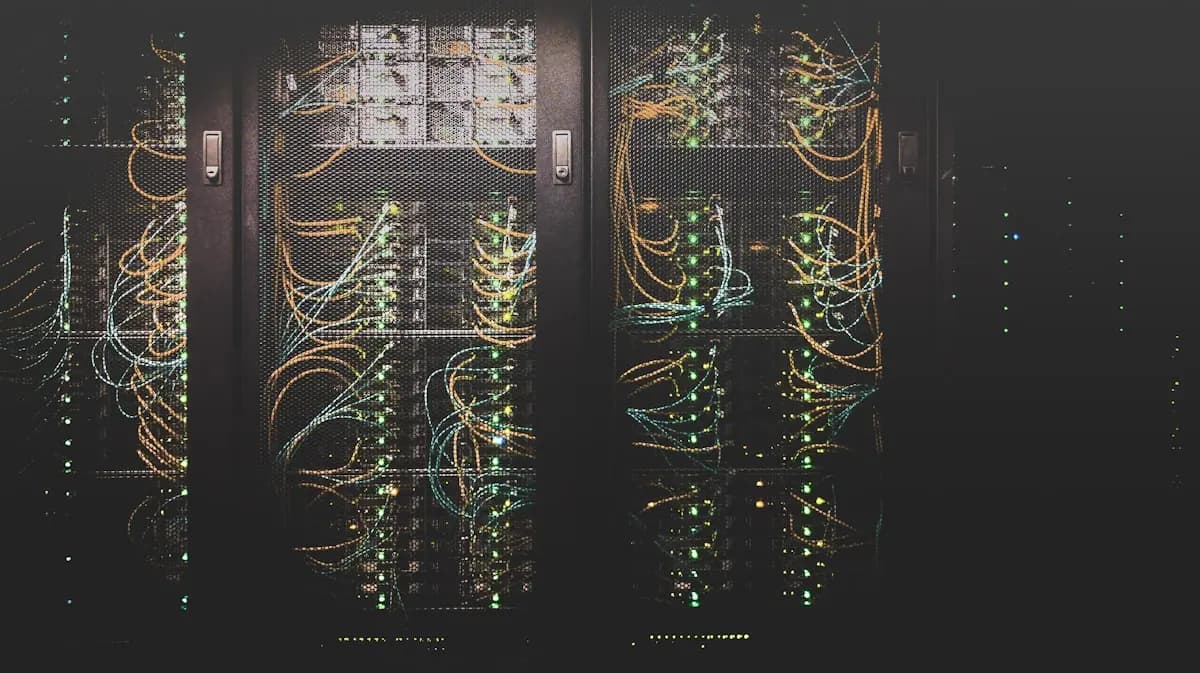
Capacity planning leaves the server rack
The economics of AI infrastructure are no longer determined only by accelerator supply. Developers now compare grid access, construction schedules and cooling options before choosing where a cluster will live.
Long lead times reward operators that can forecast demand without overbuilding. A facility designed for today's workload can become expensive quickly if model architectures or utilization patterns change.
Efficiency becomes a product feature
Software teams can influence the physical footprint through model compression, smarter scheduling and lower-precision inference. Each optimization stretches the same electrical capacity across more useful work.
Customers are also asking better questions about energy. Clear reporting on where and when computation happens could become a differentiator for providers selling enterprise-scale AI services.
يفصل AI Telegraph بين الحقائق والتحليل والرأي، ويضع علامة واضحة على المحتوى المدعوم والوسائط الاصطناعية عند الاقتضاء. اقرأ سياستنا التحريرية.
تابع القراءة
المزيد حول هذا الموضوع

What the next wave of AI search means for independent publishers
Answer engines are changing discovery, pushing newsrooms to build direct audience relationships and make their reporting easier to verify.
اقرأ المزيد: What the next wave of AI search means for independent publishers