



What the next wave of AI search means for independent publishers
Answer engines are changing discovery, pushing newsrooms to build direct audience relationships and make their reporting easier to verify.

Discovery without the familiar click
Search products increasingly assemble an answer before a reader visits a source. For publishers, the question is no longer only where an article ranks but whether its reporting is represented accurately and attributed clearly.
Distinctive reporting still creates leverage. Original documents, named expertise and transparent methods are difficult to replace with a generic summary and easier for both people and machines to cite responsibly.
Build a destination, not just an input
Newsrooms are investing in newsletters, events, member communities and useful databases that give readers a reason to return directly. Each product makes the relationship less dependent on a single discovery platform.
Machine-readable structure also matters. Clear authorship, publication history and source links help an article travel while preserving the context that makes it credible.
AI Telegraph separates fact, analysis and opinion, and clearly labels sponsored work and synthetic media when applicable. Read our editorial policy.
Keep reading
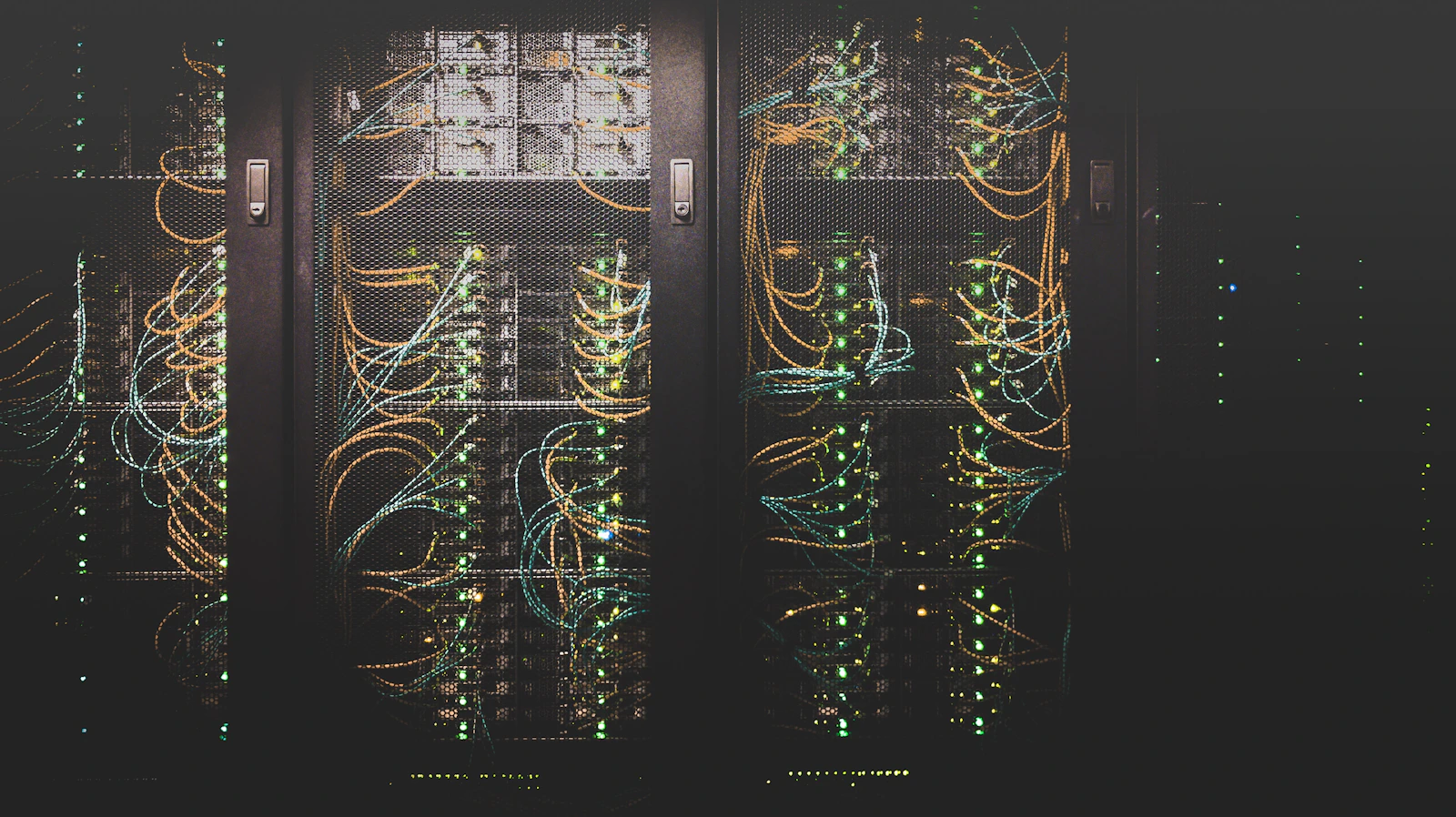
The AI infrastructure race shifts to power contracts and cooling design
Compute remains scarce, but the next constraint is increasingly physical: reliable electricity, available land and systems that can move heat efficiently.
Read more