


A watermark can signal AI media. Provenance has to tell the whole story
Researchers and publishers are looking beyond a single detector toward durable records of how an image was created and edited.
Detection is only one piece
A visible label can help a viewer pause, but it may disappear when media is cropped, compressed or reposted. Invisible watermarks face their own challenge: they must survive ordinary editing without creating an easy tracking mechanism.
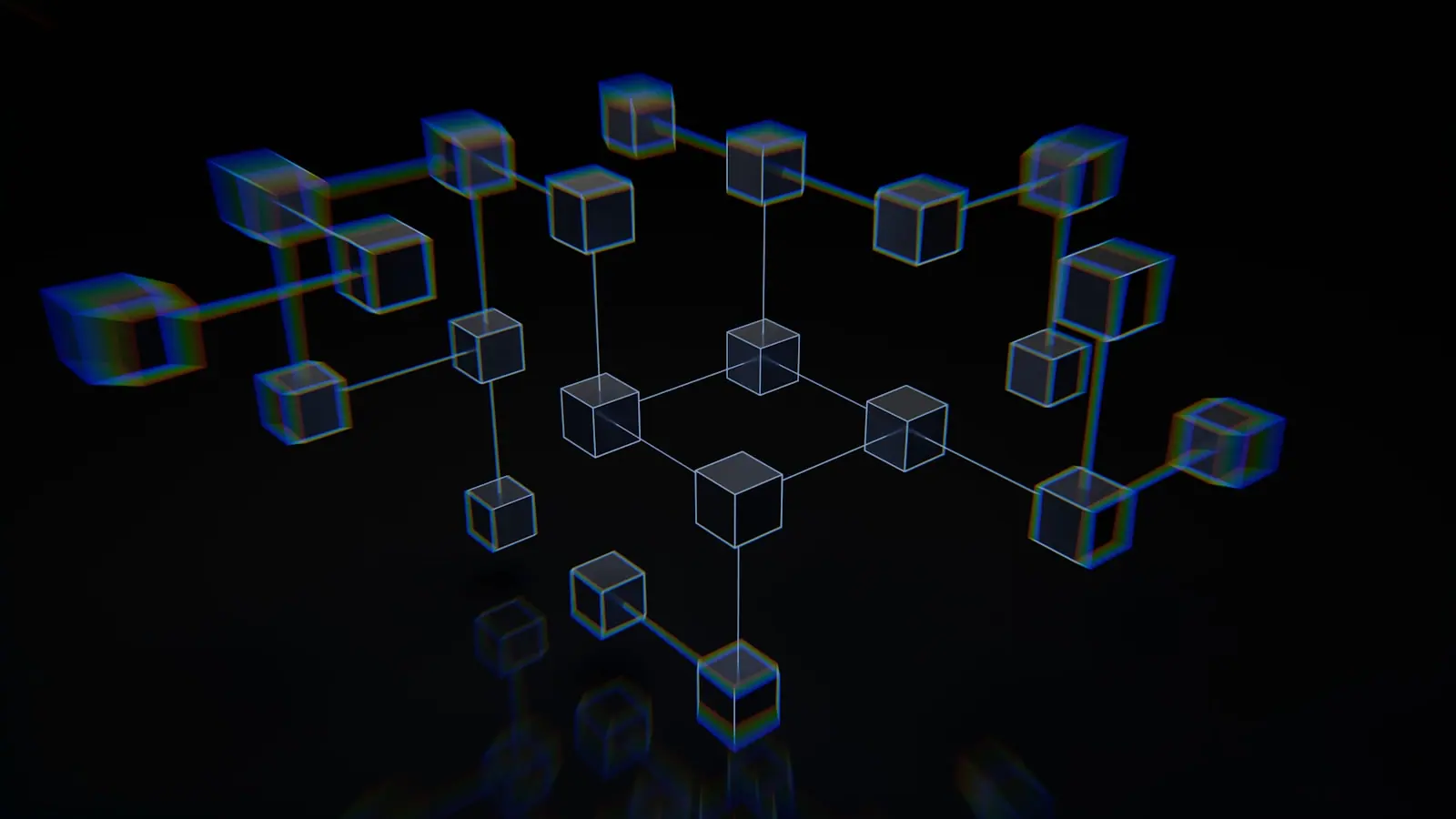
Provenance systems take a broader approach by attaching signed information about capture, generation and modification. The record does not decide whether an image is trustworthy; it gives people better evidence for making that judgment.
The standard must work across the chain
A credential is useful only when cameras, creative tools, publishers and social platforms preserve it. Missing support at any step can turn a rich history into an empty badge.
Newsrooms are therefore testing both the technical signal and the editorial language around it. Explaining what is known, what is missing and what was changed is more honest than presenting authenticity as a binary score.
AI Telegraph distingue les faits, l’analyse et l’opinion, et signale clairement les contenus sponsorisés et les médias synthétiques le cas échéant. Lire notre politique éditoriale.
Poursuivre la lecture
Plus sur ce sujet
 Breaking
Compact models move from the lab to the laptop
A new generation of smaller AI systems is making private, responsive assistants possible without a permanent trip to the cloud.
Lire la suite: Compact models move from the lab to the laptop
Hospitals test ambient copilots — and demand clearer audit trails
Clinicians want less time at the keyboard, but health systems are insisting that every generated note can be traced and reviewed.
Lire la suite: Hospitals test ambient copilots — and demand clearer audit trails
Open robotics stacks turn warehouse automation into a software problem
Cheaper sensors and reusable control models are helping smaller operators experiment with robots that once required bespoke engineering.
Lire la suite: Open robotics stacks turn warehouse automation into a software problem