


Synthetic Data Is Becoming an Engineering Discipline
Artificial training examples can fill critical gaps, but only when teams measure what the generated data adds—and what it quietly distorts.
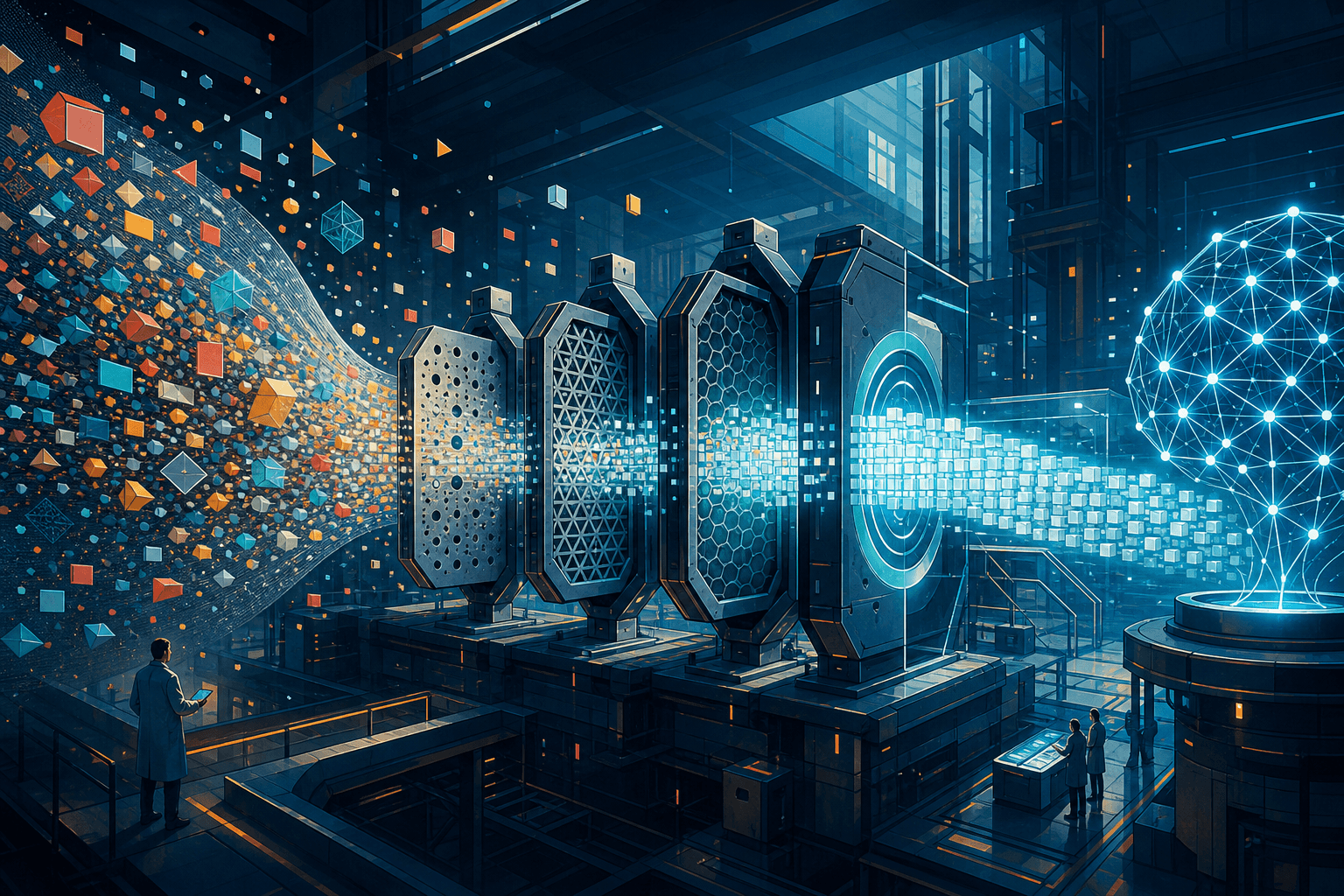
Generated examples enter the pipeline
Synthetic data is moving beyond a shortcut for teams that lack enough real examples. It is becoming a deliberate part of model development: used to cover rare events, balance uneven categories, simulate hazardous conditions and generate variations that would be expensive or invasive to collect from people.
The appeal is clear. A team can ask a model or simulator for thousands of examples tailored to a particular format, language or edge case. But volume is not the same as information. If the generator repeats its own assumptions, the resulting dataset can look diverse while remaining narrow in the ways that matter.
Quality requires a measurement plan
A mature synthetic-data program begins with a gap in a real evaluation set. Engineers identify where the current system fails, generate examples intended to address that gap and then measure performance on held-out real data. Synthetic examples should earn their place by improving a defined outcome, not by making the training corpus larger.
Provenance matters as well. Teams need to know which generator, prompt, simulator settings and filtering rules produced each batch. That record makes it possible to trace unexpected behavior and remove a problematic source. Deduplication and contamination checks are especially important when the generator may have seen benchmark-like material during its own training.
A complement, not a closed loop
The biggest risk is a closed loop in which models train primarily on material produced by other models and are then evaluated against similarly generated examples. Such a system can reward internal consistency while drifting away from the messy distribution of real users, environments and language.
The strongest programs keep real-world data at the center. Human experts review samples, production feedback updates the evaluation set and synthetic generation targets specific blind spots. Used that way, artificial data is not a replacement for reality. It is an instrument for exploring parts of reality that are difficult to observe safely or often enough.
AI Telegraph는 사실, 분석과 의견을 구분하며, 해당되는 경우 후원 콘텐츠와 합성 미디어를 명확히 표시합니다. 편집 정책 보기.
계속 읽기
이 주제의 더 많은 기사

Small AI Models Are Moving From Labs to Laptops
A new generation of compact models is changing where artificial intelligence runs—and forcing teams to rethink what counts as capable enough.
더 읽기: Small AI Models Are Moving From Labs to Laptops
AI Agents Need Permissions Before Personalities
The safest enterprise agents will be defined less by how human they sound and more by what they are allowed to do.
더 읽기: AI Agents Need Permissions Before Personalities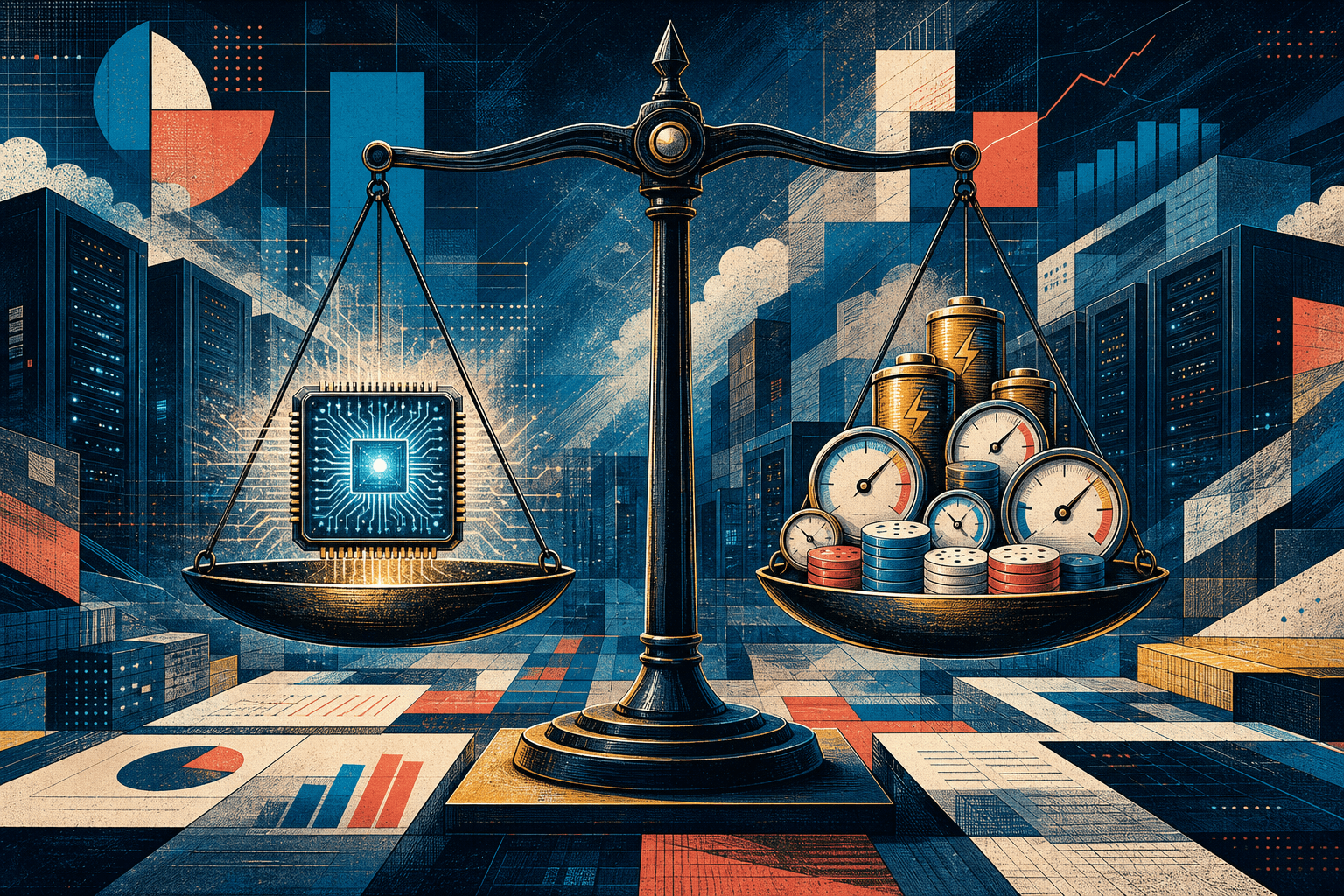
The AI Budget Is Shifting to Inference Economics
Once an AI product reaches users, the decisive metric is no longer model access—it is the cost of producing each useful outcome.
더 읽기: The AI Budget Is Shifting to Inference Economics